Testaments & Revelations: Second Verse
City Gallery is pleased to present Testaments & Revelations: Second Verse, a three-person exhibition featuring the work of Katelyn Chapman, Ashleigh Coleman and Patrick Owens —artists raised in South Carolina who collectively examine identity, place and memory across the American South. The exhibition opens July 17 and remains on view through August 30, 2026.
Using paint, photography and mixed-media sculpture and assemblage, Chapman, Coleman and Owens are inspired by different corners of the South — the Midlands of South Carolina, rural Mississippi and Alabama — yet their work converges around shared visual symbols and the deep paradoxes of Southern life.
Testaments & Revelations: Second Verse spans the full range of art mediums and presentation formats, from two-dimensional painting and photography to free-standing and wall-mounted assemblages, some of which are interactive, pushing against assumed boundaries and stereotypes of America’s rural South. The artists have chosen to call this the “second verse” as it represents the second time they have come together to examine these themes.
“Southerners are experts in the past,” Fleming Markel, Gallery Director at Greenville Technical College said about the collection. “We collect, honor, and relive the past. It is a testament all the native-borns have heard, continue to hear and relay into the future. The stories are often fraught. They testify to alienation and singularity often with images seemingly benign but mired in undertones of violence and regret. Home is sacred, but while the home of our forbearers and childhoods may still be extant, it was possibly only a mythology in the first place. Contemporary Southerners know deep down that they cannot go home again. Most really do not want to go back, but ploughing a new field requires faith and strength.”
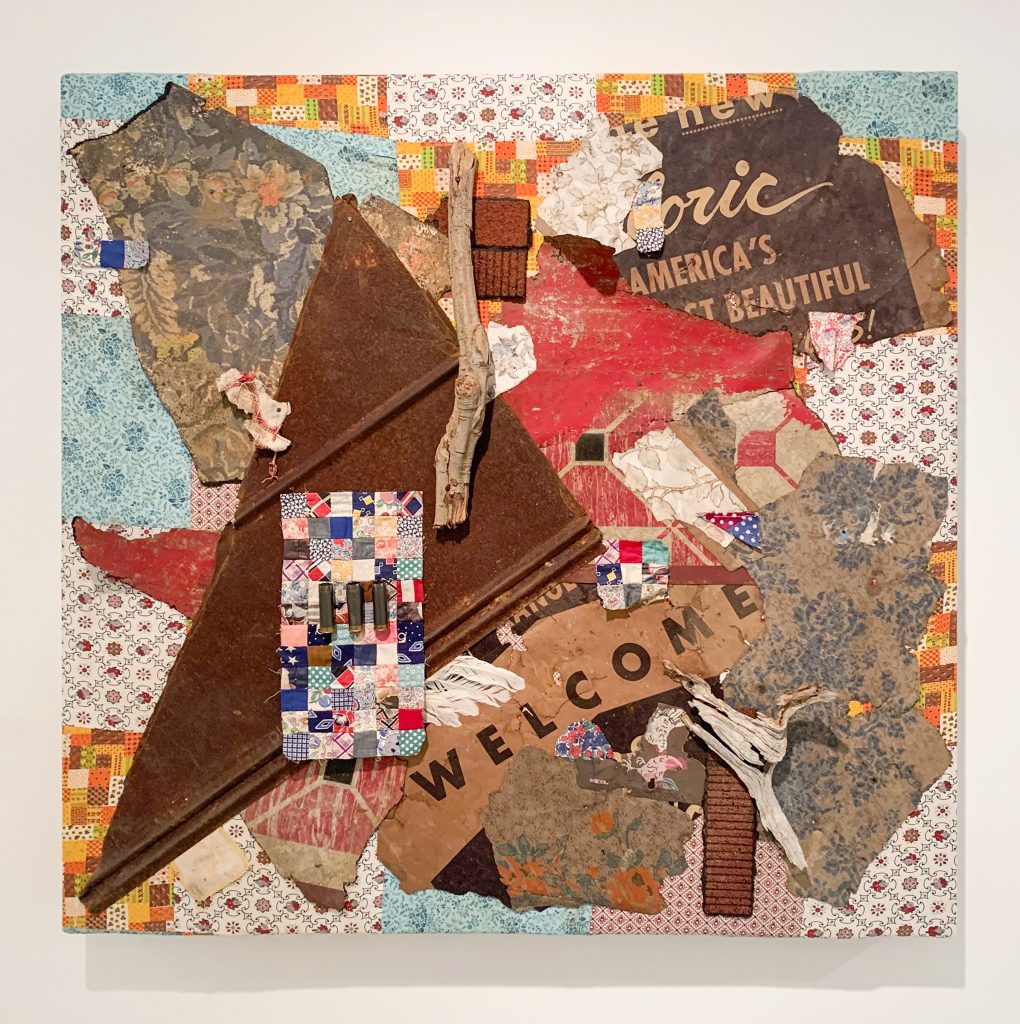
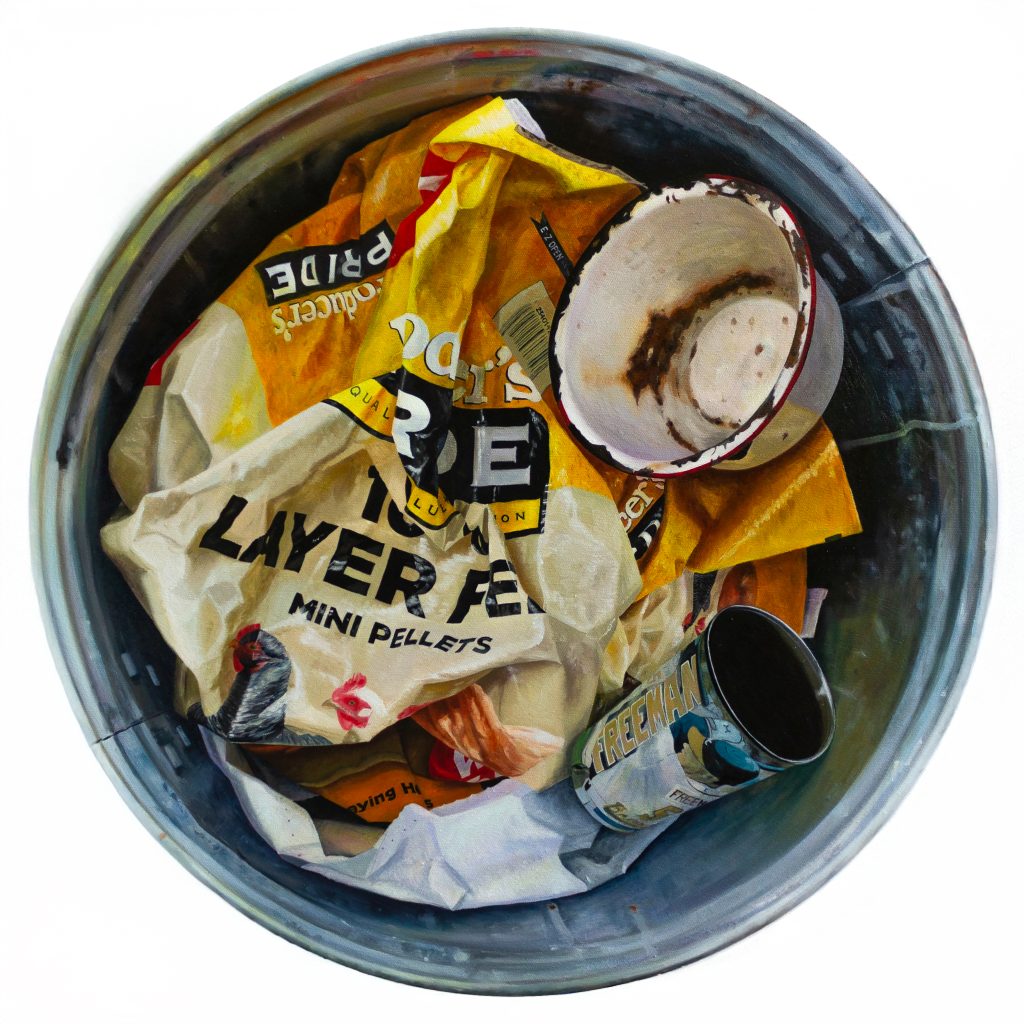
“Testaments & Revelations: Second Verse,” Markel said, “affirms Thomas Wolfe’s conundrum and presents beloved images of the Southern past but images that also question the path of the future. Ladders that lead up with no destination. Birds whose soaring is a symbol of freedom and joy, pictured trapped, caught, or dismembered. Ashleigh Coleman’s sensitive photographs of her ‘feral’ children and their shared life with the land. Patrick Owens’ forgotten and forlorn but once useful objects assembled as records of time and place. Katelyn Chapman’s carefully rendered paintings of the substance of the shrinking rural South — fuzzy, ready-for-pie peaches timelessly confined to a box. The curious imagery of Testaments & Revelations: Second Verse testifies to the fondness of memories but also confronts us with Wolfe’s revelation: ‘You can’t go home again.'”
About the Artists
Katelyn Chapman received an MFA in Painting and Drawing from the University of Georgia (2018) and a BFA with an emphasis in Drawing from Clemson University (2014). A three-time Elizabeth Greenshields Foundation Grantee, winner of a Pollock-Krasner Grant, and the 2026 Griffith-Reyburn Lowcountry Artist of the Year, she has been awarded residency fellowships at the Vermont Studio Center, The Hambidge Center, Chateau Orquevaux and The Gibbes Museum of Art. Her work has been exhibited nationally and published internationally. She is represented by Southside Gallery in Oxford, MS and Hampton III Gallery in Taylors, SC. Chapman indexes working-class life in the rural South through the lens of her own family and upbringing in the Midlands of South Carolina. Her realistic, carefully rendered paintings reference backroad dispositions alongside symbols of faith and Christian iconography — peaches in a box, a hanging crow — to celebrate and interrogate the customs of rural working-class culture. Her work toys with paradox and humor while honoring the ephemeral, ever-shifting quality of a way of life that spans past, present and future. Chapman lives and works in Charleston, SC
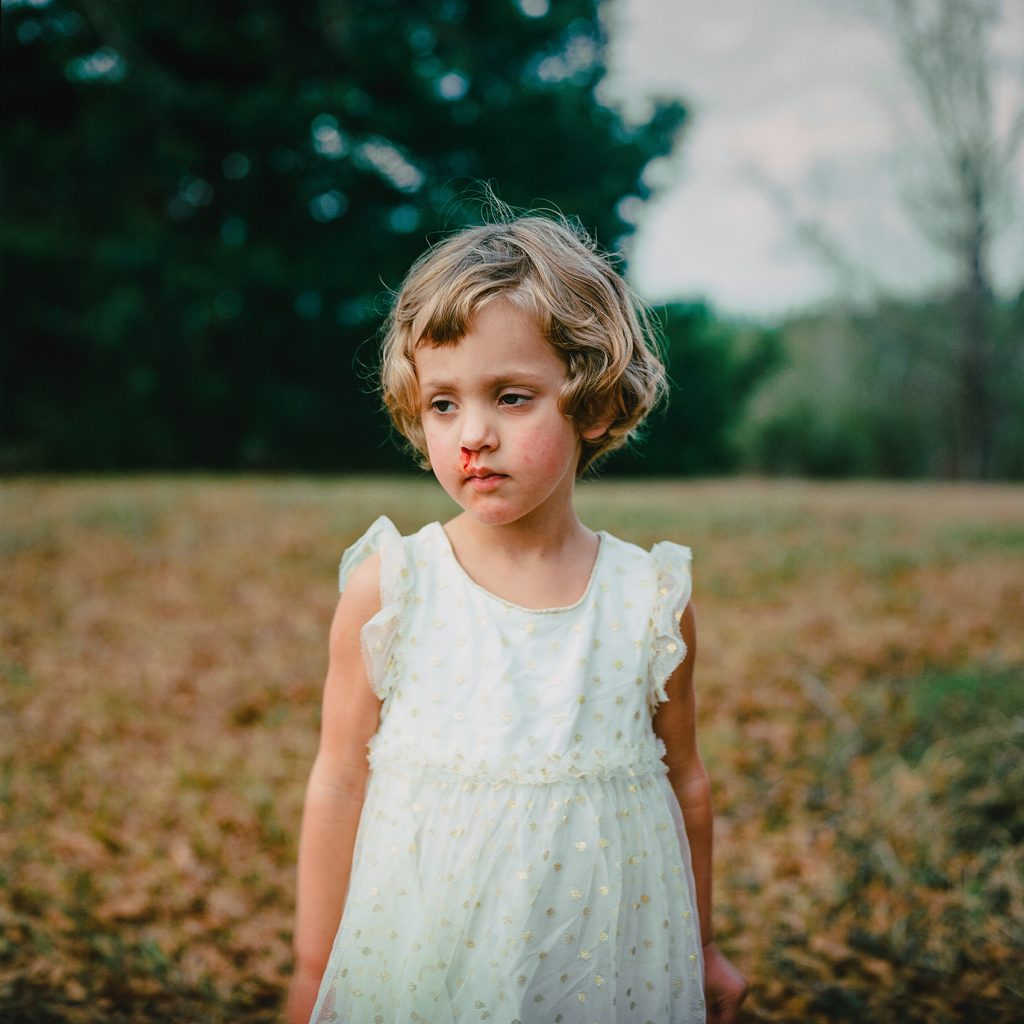
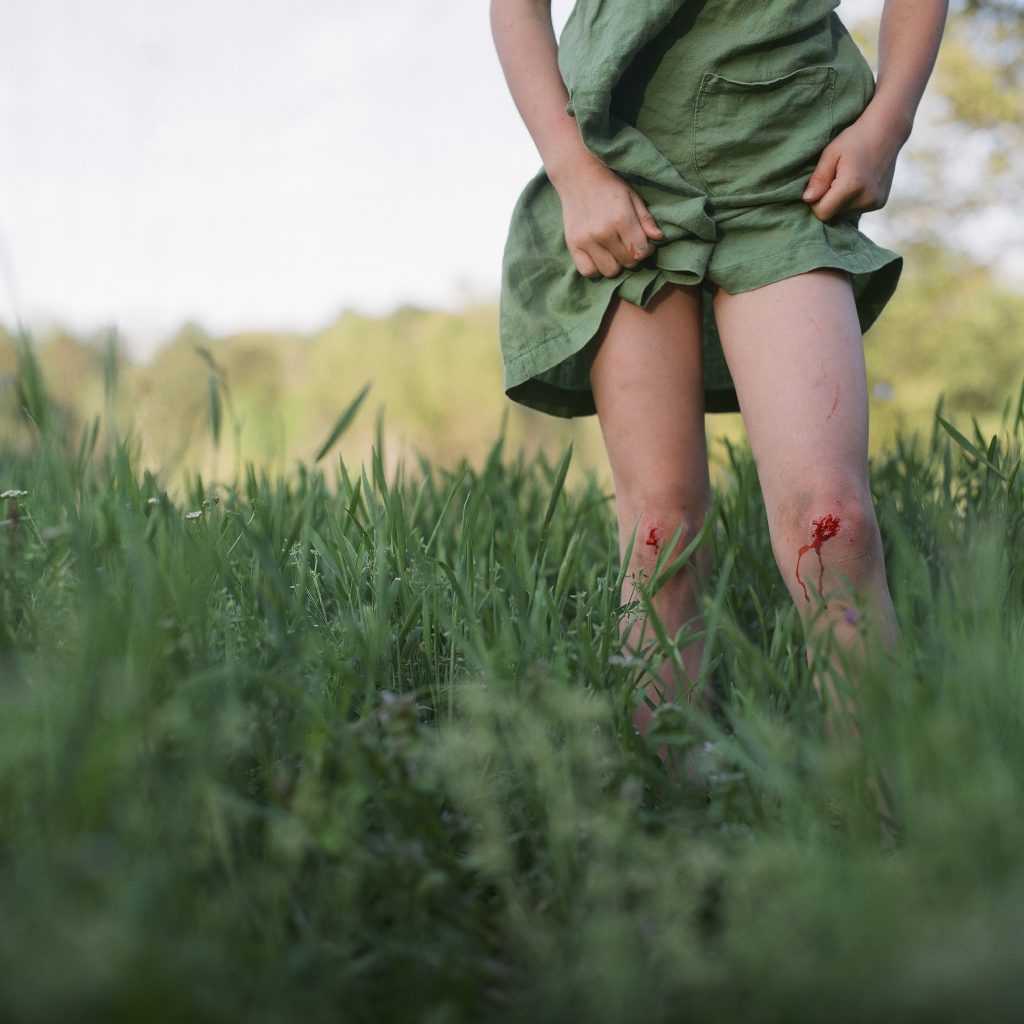
Ashleigh Coleman is a photographer based in rural Mississippi. In 2022, she was recognized by the Mississippi Institute of Arts and Letters for her series Hold Nothing Back. She received a Visual Artist Fellowship through the Mississippi Arts Commission and the National Endowment for the Arts (2021) and the Mississippi State Fellow Prize from SouthArts (2020). Coleman’s work has been published in Smithsonian Magazine, the Wall Street Journal, the World Wildlife Fund, Travel + Leisure, Southern Living and Oxford American. Her photographs are held in the permanent collections of the Do Good Fund and the Mississippi Museum of Art, as well as many private collections. Coleman wields a medium-format Hasselblad camera to catalogue life in rural Mississippi as she knows it: through the feral freedom of her three young children. Her photographs capture the mayhem and wonder of rural domestic life — moments of quiet in the noise, glimpses of the land experienced at a child’s eye level. Shooting on film, Coleman grants herself and her viewers alike the perspective and permission to find their way home.
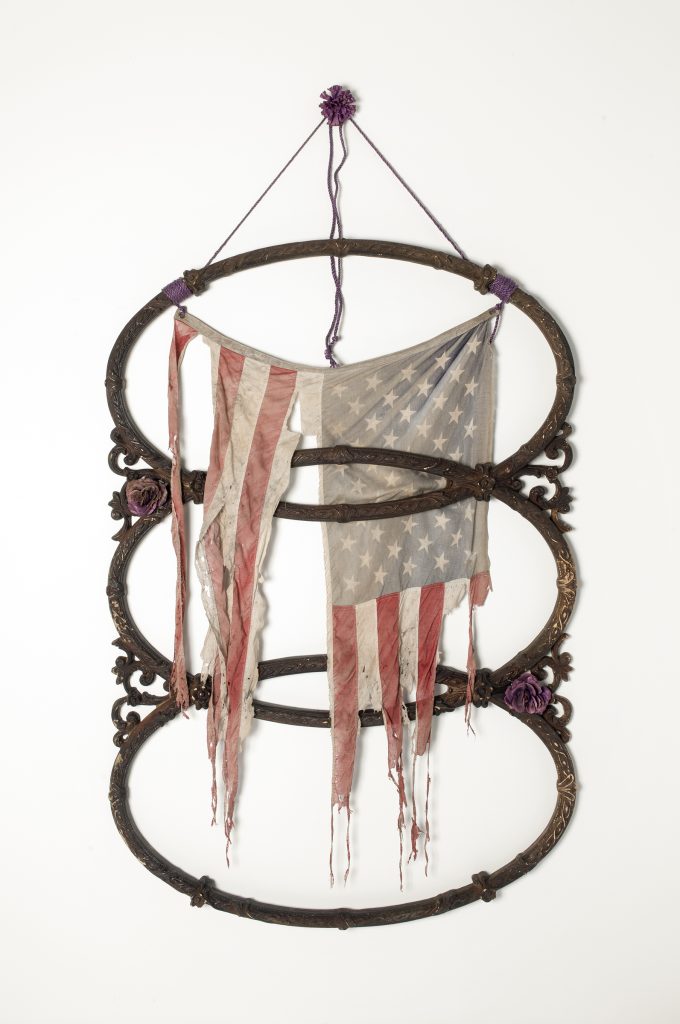
Patrick Owens was born in Gastonia, NC and raised in Taylors, SC. He holds an AA in Photography from Greenville Technical College (2005) and a BFA in Sculpture from Clemson University (2020). His photographs are included in the Archive of Documentary Arts at Duke University, and his work was featured in the 2017 Contemporary Alabama Photography exhibition at the Mobile Museum of Art. Recent honors include participation in the 2024 Wiregrass Biennial at the Wiregrass Museum of Art (Dothan, AL) and the 2024 Coined in the South Biennial at the Mint Museum (Charlotte, NC), where he received the People’s Choice Award. Owens’ works in photography and multimodal mixed-media assemblage lend evidence to lived experience in the American South by way of Alabama. His collections of found objects and slip-cast porcelain document the cycles of memory — carefree and painful, personal and political. Works such as Thoughts & Prayers — a rusty, reclaimed wheelbarrow overflowing with ceramic prayer hands — speak to the socio-political climate of the country at large, using the iconography of American culture in various states of decay to prompt reflection on how memory, or its absence, shapes today’s cultural moment.
